As of November 19, 2026, five tools let you manage requirements at no cost. Two are products with a free plan: ReqView and Flowifex. Three are open source and keep requirements as text files in version control: Doorstop, StrictDoc and Sphinx-Needs. Every limit below was read on the vendor’s own pricing page or code repository on that date.
If you can pay, or need an enterprise suite, our requirements management tools roundup compares seven paid options with dated prices. This page covers only what you can use without paying.
How did we check these free plans?
We used the same rules as our paid roundup. A fact only appears if it was on the vendor’s own page or repository on November 19, 2026, and each tool links to that source. When a page did not say something, we did not fill the gap.

- Counted: a free plan with no end date, or an open-source license.
- Not counted: time-limited evaluations, discounts and "contact us" offers.
- Left out: general project management and whiteboard tools. They can hold a list, but they are not built to trace requirements.
Flowifex is our own product. It is listed with its limits, the same way as the others.
Which free requirements management tools are there?
| Tool | Type | What is free | Main limit |
|---|---|---|---|
| ReqView | Requirements app | FREE plan | 1 document with up to 150 objects, 1 custom attribute |
| Flowifex | Web app | Free plan, $0, no card | 1 member per project |
| Doorstop | Open source (LGPLv3) | Everything | Command line and Python; you run it yourself |
| StrictDoc | Open source (Apache 2.0) | Everything | Text files and a local web interface; you run it yourself |
| Sphinx-Needs | Open source (MIT) | Everything | A Sphinx documentation extension; needs a docs build |
ReqView
ReqView describes itself on its home page as a requirements management tool for hardware and software with version control in Git or Subversion, and traceability analysis. Its ReqView pricing page lists a FREE plan limited to 1 document with up to 150 objects and 1 custom attribute. Paid plans are PRO at €440 and TEAM at €600 per user a year. It fits a solo analyst testing a document-style workflow on a small specification.
Flowifex
Flowifex is a web app for business analysts who write use cases, link requirements to the steps they cover and generate a business requirements document. The Flowifex pricing page lists the Free plan at $0 with one member per project, unlimited projects and all modeling features, with no card. Team 10 costs $300 a month per project for up to 10 members.
The limits are on our own page too: no integrations with issue trackers or other tools, no single sign-on, no CSV import in the app, and no test management. It fits a single analyst who wants use cases, a traceability matrix and a generated BRD in one place.
Doorstop
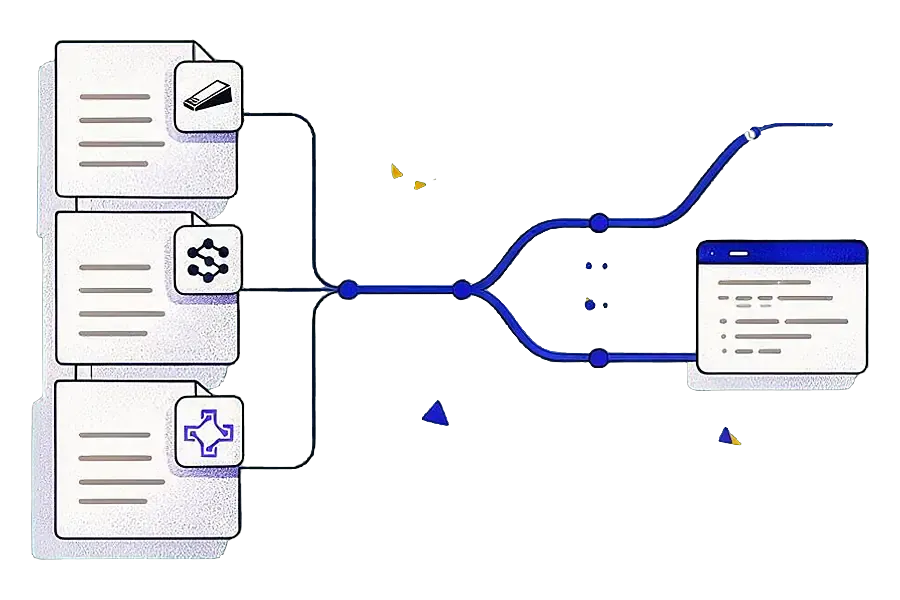
Doorstop stores each requirement or test item as a YAML file in a directory, alongside source code in version control, according to its Doorstop repository on GitHub. Items in a directory form a document, and documents link into a tree. You work with a doorstop command and can publish documents, for example as HTML. The license is LGPLv3. It fits developers who want requirements reviewed in the same pull requests as the code.
StrictDoc
StrictDoc is open-source software for technical documentation and requirements management under the Apache 2.0 license, per the StrictDoc repository. Requirements live in .sdoc text files, and strictdoc server runs a local web interface. The StrictDoc user guide documents parent and child relations, ReqIF and Excel import and export, and PDF export. It marks traceability to source files as experimental. It fits engineering teams who need ReqIF exchange without a license budget.
Sphinx-Needs
Sphinx-Needs is "the Sphinx extension for managing requirements and specifications", released under the MIT license, according to the Sphinx-Needs repository. Requirements are written as need items inside Sphinx documentation, and directives such as needtable and needflow show them as tables and diagrams. It fits teams whose documentation already builds with Sphinx.
Which free tool fits which team?
- A business analyst writing use cases and a BRD: Flowifex, because flows, requirements, the matrix and the document share one model.
- A solo analyst writing one structured specification: ReqView, as long as it stays within 150 objects.
- Developers who want requirements in Git: Doorstop for a light command-line setup, StrictDoc for a web view and ReqIF.
- Teams publishing documentation with Sphinx: Sphinx-Needs, so requirements sit in the same pages readers already use.
- A non-technical team of several people: none of the free options covers it fully. The products limit seats or size, and the open-source tools expect command-line work.
What do free plans usually leave out?
Free plans make money for the vendor by stopping somewhere. Check which limit you will hit first, before your requirements depend on the tool.
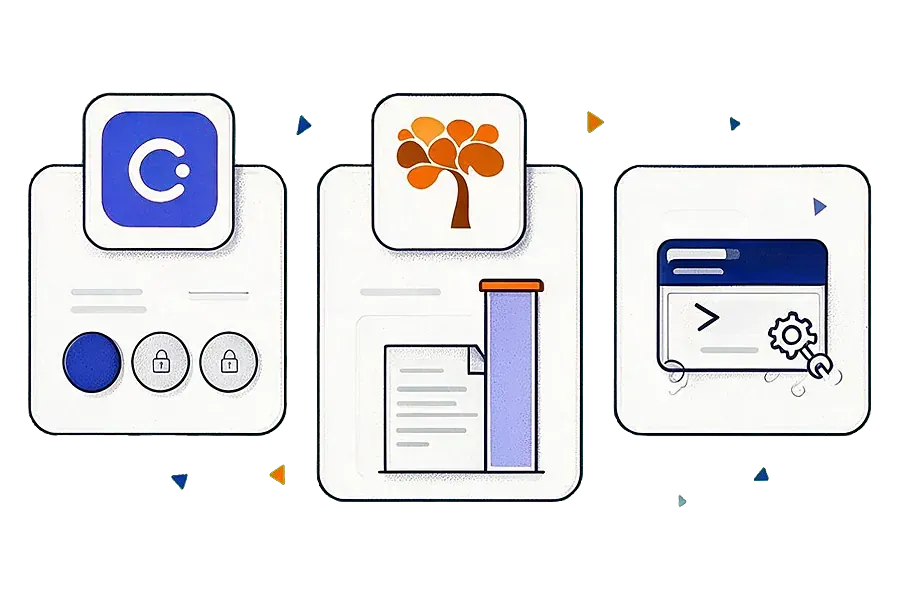
- Seats. Flowifex Free has one member per project. Reviewers need the share link or an exported document.
- Size. ReqView FREE stops at one document of 150 objects.
- Setup. You install, run and update the open-source tools yourself.
- Access control and audit. Text files in Git rely on your repository’s permissions and history.
Can a spreadsheet be your free requirements tool?
For a short project, yes. A spreadsheet holds a requirements list with IDs, priorities and statuses, and a second sheet can hold the traceability matrix. It costs nothing and every stakeholder can open it. The trouble starts when the links change: a renumbered step or a copied file leaves rows pointing at the wrong place, and nobody notices until a review. If you stay with a spreadsheet, protect the ID column, keep one master copy, and review the matrix whenever a use case changes.
When is a free requirements tool enough?
A free tool is enough while one person owns the requirements and reviewers only need to read them. It stops being enough when several people must edit at once, when a regulator asks for access control, or when the team spends time reconciling copies. That is the moment to compare paid plans on price per seat, or per project, against the hours lost.
Whichever tool you pick, the habits matter more than the tool. Keep stable IDs, write one requirement per statement, and link each requirement to the step and test that cover it. Our requirements traceability matrix example shows those links in a worked sample, and the requirements management software page explains how Flowifex keeps them.
Frequently asked questions
Yes. Doorstop, StrictDoc and Sphinx-Needs are open source and cost nothing to use, but you install and run them yourself and work with text files. ReqView and Flowifex have hosted or desktop free plans with limits: one document of up to 150 objects for ReqView, one member per project for Flowifex.
Yes, and many teams start there. A spreadsheet holds a requirements list and a traceability matrix well until the links between requirements, steps and tests change often. Then IDs drift and copies diverge, which is the point where a dedicated tool pays off.
They do not publish a free plan. On our requirements management tools roundup, checked on November 18, 2026, Jama Connect, IBM DOORS Next and Modern Requirements4DevOps were all quote-based.
Use the Free plan. It costs $0, needs no card, and includes every modeling feature for one member per project. Team plans add members, not features.
Keep every spec in one place. Start with a free project.
Model use cases, link requirements and generate your BRD. Free plan, no card needed.